
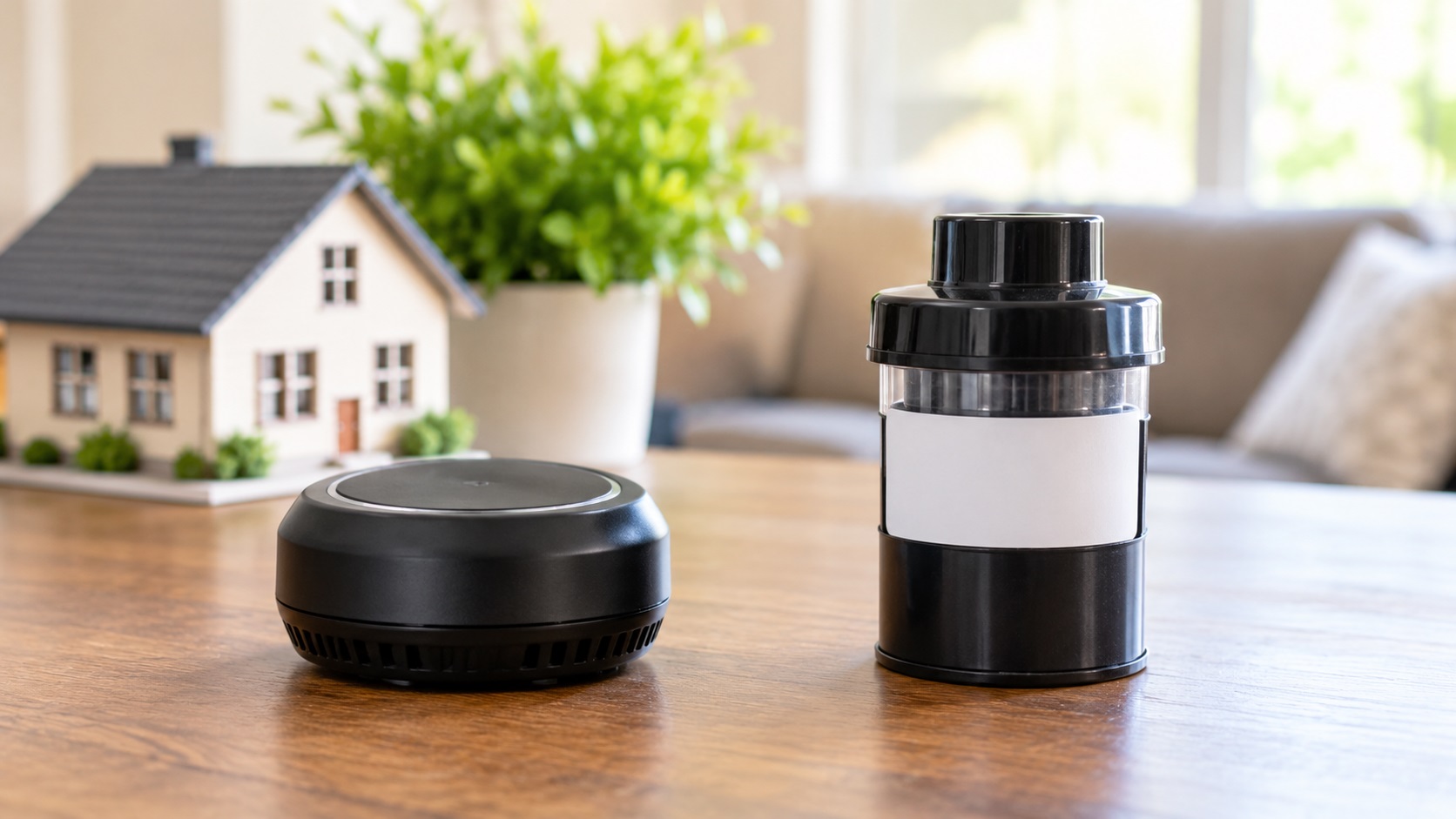
When comparing a short term vs long term radon test, the main difference is the measurement period and what you need to learn within your available time. A short-term test provides information over a shorter interval. A long-term test is more representative of longer-period conditions, but it cannot produce its full result immediately.
EPA guidance describes short-term tests as lasting from two to 90 days, depending on the device, and long-term tests as lasting more than 90 days. Follow the actual device instructions and applicable protocol rather than treating those definitions as permission to choose any duration. EPA radon reduction guide.
For a Kentucky homeowner or property buyer, start by explaining the decision, deadline, and testing history. That gives the tester a better basis for discussing an appropriate plan.
Define the Question Before Choosing the Test
A routine check, a property transaction, a follow-up measurement, and verification after mitigation are different situations. They may need different planning and interpretation.
Tell the testing provider why you need the result and when a decision must be made. Do not begin with a device preference and leave the purpose unexplained.
Gather earlier reports if available. A statement that “the house was tested” is less useful than the actual date, location, duration, units, and findings.
The objective is not simply to obtain a number. It is to obtain a measurement that can be interpreted appropriately for the question being asked, with its limitations and next steps understood.
ETC’s environmental consulting information provides wider service context. The ETC of Kentucky company website is another starting point for confirming whom to contact about the property and testing purpose.
Understand What a Short-Term Test Can Provide
A short-term measurement can be useful when information is needed within a limited period. The result describes conditions over that test interval.
It should not be treated as a permanent characterization of the building. Changes in conditions and the measurement window can affect how the number should be considered.
Ask the tester which device and protocol are appropriate, how preparation and placement will be handled, and what the report will explain.
Also ask what happens if the result calls for follow-up. Planning that conversation before testing prevents the initial number from being treated as a final answer without considering the purpose and applicable guidance.
Understand the Role of a Long-Term Test
A longer measurement period captures more variation over time than a brief sample. That makes it useful when the decision can accommodate the required duration.
The EPA’s home buyer and seller guidance explains why long-term results are more representative of a home’s year-round average than a short-term measurement.
That does not mean a long-term test is automatically the right response to every situation. Timing, prior results, and the reason for testing still matter.
Ask how the device will remain undisturbed and how the start, finish, return, and report process works. A long duration needs an organized household plan as well as an appropriate measurement device.
Do Not Confuse Test Length With Device Quality
The duration category does not tell you everything about a test. Equipment, handling, placement, protocol, and reporting all matter.
Ask the provider to explain the method and its limitations in plain language. A device name or a screen displaying changing numbers does not establish that every use of it is appropriate.
Keep the actual report rather than relying on a photograph of one reading. The report should make the measurement period and relevant conditions understandable.
When comparing proposals, ask equivalent questions. A quote for one service may include setup, collection, interpretation, or follow-up discussion that another arrangement handles separately. Understand the full process before comparing price alone.
Prepare the Building According to the Instructions
The tester or kit instructions should explain the building conditions and procedures required for the chosen method. Read them before the test begins.
Do not create your own routine to make the house perform better during testing. The aim is an interpretable measurement under the appropriate protocol, not the lowest possible number.
Tell the provider about recent changes, construction, unusual occupancy, or other circumstances it asks you to report. If an instruction is unclear, ask before altering windows, equipment, or ordinary building operation.
The correct procedure depends on the test and purpose. Avoid copying a preparation rule from another device or a social-media explanation without confirming it applies.
Protect the Measurement From Disturbance
Once the device is placed, follow the instructions about leaving it in position and maintaining the required conditions.
Tell other occupants that testing is underway. Explain what should not be moved and whom to contact if something changes.
If the device is disturbed or the procedure is not followed, report it. Do not conceal the issue because the deadline is approaching.
The provider can explain whether the measurement remains usable or whether another step is needed. An accurately documented problem is more useful than a report interpreted as though the specified conditions were maintained when they were not.
Plan Around Property-Transaction Deadlines
If testing relates to a purchase or sale, explain the relevant deadline to the tester and the professionals handling the transaction.
Do not assume the fastest available result is automatically sufficient for every agreement or situation. Confirm which protocol and documentation are needed.
Keep testing questions separate from negotiation advice. The tester can explain the measurement and follow-up considerations, while the appropriate transaction professionals handle contractual decisions.
If there is not enough time for the preferred assessment, make that limitation explicit. A short deadline should not turn a limited measurement into an unsupported promise about future conditions throughout the home.
Read the Report With Its Context
Look for the location, device or method, measurement period, units, result, and any noted limitations. Ask about missing or unclear information.
The units matter when comparing reports. Do not compare two numbers as equivalent without confirming they use the same measure.
Also compare where and how the tests were performed. Different locations or circumstances can make a simple side-by-side interpretation incomplete.
Ask the provider to explain what the result supports and what it does not. A useful report conversation connects the number to the purpose of the test, relevant guidance, and a clear next step rather than ending with a color-coded label alone.
Understand That Action Levels Are Not a Guarantee of Safety
EPA guidance recommends addressing a home when the relevant testing results meet its action recommendation, and it also discusses considering reduction at lower levels. Its published guidance includes 4 pCi/L as an action reference and consideration between 2 and 4 pCi/L. EPA radon reduction guidance.
Those figures should be interpreted through the appropriate testing and follow-up process. Do not treat a result below one threshold as a promise of zero risk or permanent conditions.
Ask the tester how the guidance applies to the actual report. If mitigation is indicated, discuss that work with an appropriately qualified provider and understand how its performance will be checked.
Decide the Follow-Up Before Filing the Report Away
A result can lead to another measurement, a mitigation discussion, or a plan for future review. The appropriate next step depends on the report and testing purpose.
Write down who is responsible and when the action should occur. A recommendation left in an unread report does not become a completed task.
If work changes the building or a mitigation system is installed, ask how the change affects subsequent testing. Do not assume the original measurement describes the altered condition.
Keep reports and relevant work records together. They provide a more useful history than a remembered number when the property is reviewed, sold, or assessed again.
Compare the Service and Responsibilities Before Booking
Ask what the quoted testing service includes. Device placement, retrieval, laboratory processing where relevant, the report, and an explanation of the result may be handled differently across services. Confirm which tasks the homeowner performs and which belong to the provider.
If a kit is being used, understand its return arrangements and any processing deadline. If a professional places equipment, ask how access will be coordinated at the beginning and end. A missed collection or an incomplete record can affect the practical schedule.
Also ask how questions after the report are handled. A low initial price is not the only consideration if you need help understanding the result or planning an appropriate next measurement. Compare the actual process against your decision and available time.
Ask ETC of Kentucky About the Actual Testing Plan
ETC of Kentucky advertises residential radon testing and serves Lexington, Nicholasville, Richmond, Winchester, and other Kentucky locations.
Ask which method the team recommends for your purpose, what preparations apply, and what the report and follow-up discussion include. Confirm current service arrangements directly.
Homeowners can also obtain radon test kits; professional testing is not the only way radon can be measured. The relevant question is which method, protocol, and support suit the decision you need to make.
A short term vs long term radon test comparison is most useful when it leads to that specific plan, with its timing and limits made clear.
Frequently Asked Questions
Which radon test is better for every home?
Neither duration is automatically best for every decision. Short-term testing can provide information within a limited period, while longer measurements better reflect variation over time. Explain the purpose, deadline, and previous testing to the provider so the method and follow-up can be selected appropriately.
Does one short test show my home’s annual average?
A short measurement describes a limited interval and should not be treated as a permanent annual characterization. EPA guidance explains that a long-term measurement is more representative of year-round conditions. Ask how the actual result should be interpreted for your purpose and whether follow-up is appropriate.
Can I use a homeowner test kit?
Yes, homeowner kits are an available testing route. Select an appropriate device and follow its instructions and relevant guidance. Professional services may provide setup, collection, reporting, and interpretation support. Compare the actual process and your needs rather than assuming one route automatically answers every testing question.
What if someone moves the device during the test?
Report the disturbance to the provider or follow the kit’s instructions for that situation. Do not assume the result remains valid or hide the issue to meet a deadline. The responsible team can explain whether the measurement is usable and what follow-up may be needed.
Does a lower result mean I never need to think about radon again?
No. A result reflects the test location, period, and conditions, and it is not a permanent guarantee. Discuss future review, building changes, and any follow-up indicated by the report. Keep the documentation so later decisions can use the actual testing history rather than a remembered number.
Plan Your Kentucky Radon Test With Clear Expectations
Contact ETC of Kentucky to discuss your property, timing, and testing purpose. Ask for an explanation of the method, preparation, report, and next steps so the measurement supports an informed decision.
