
If you’re googling the best mold testing company in Lexington, you’re probably dealing with musty odors, water stains, allergy flares, or a buyer’s inspection that raised questions. The stakes are real: done poorly, testing can produce confusing data, unnecessary fear, or bloated remediation bids. Done properly, it gives you a clear map—where moisture is getting in, what mold species are present (if any), whether levels are elevated indoors relative to outdoors, and exactly what to do next.
This guide breaks down when mold testing is worthwhile, which methods matter, how to read a lab report without getting lost, and red flags to avoid. You’ll also see why ETC of Kentucky (Environmental Testing & Consulting of Kentucky) is a strong choice for unbiased, building-science-driven inspections and reports that stand up to contractors, insurers, lenders, and closing tables.
When Mold Testing Is Worth It (and When It Isn’t)
Situations Where Testing Adds Real Value
- You suspect hidden moisture. Musty odors, seasonal dampness, or prior leaks suggest concealed wet spots behind drywall, under flooring, or in a crawl space. Testing verifies impact on indoor air quality.
- You need scope for remediation. Data helps right-size containment zones, determine whether removal or cleaning will suffice, and estimate cost accurately—no scare tactics.
- You’re closing a real-estate deal. A defensible report with photos, moisture maps, and lab analysis can diffuse drama, clarify responsibilities, and speed approvals.
- You need clearance after cleanup. Post-Remediation Verification (PRV) confirms work met criteria before walls close and furniture returns.
When You Might Not Need Testing
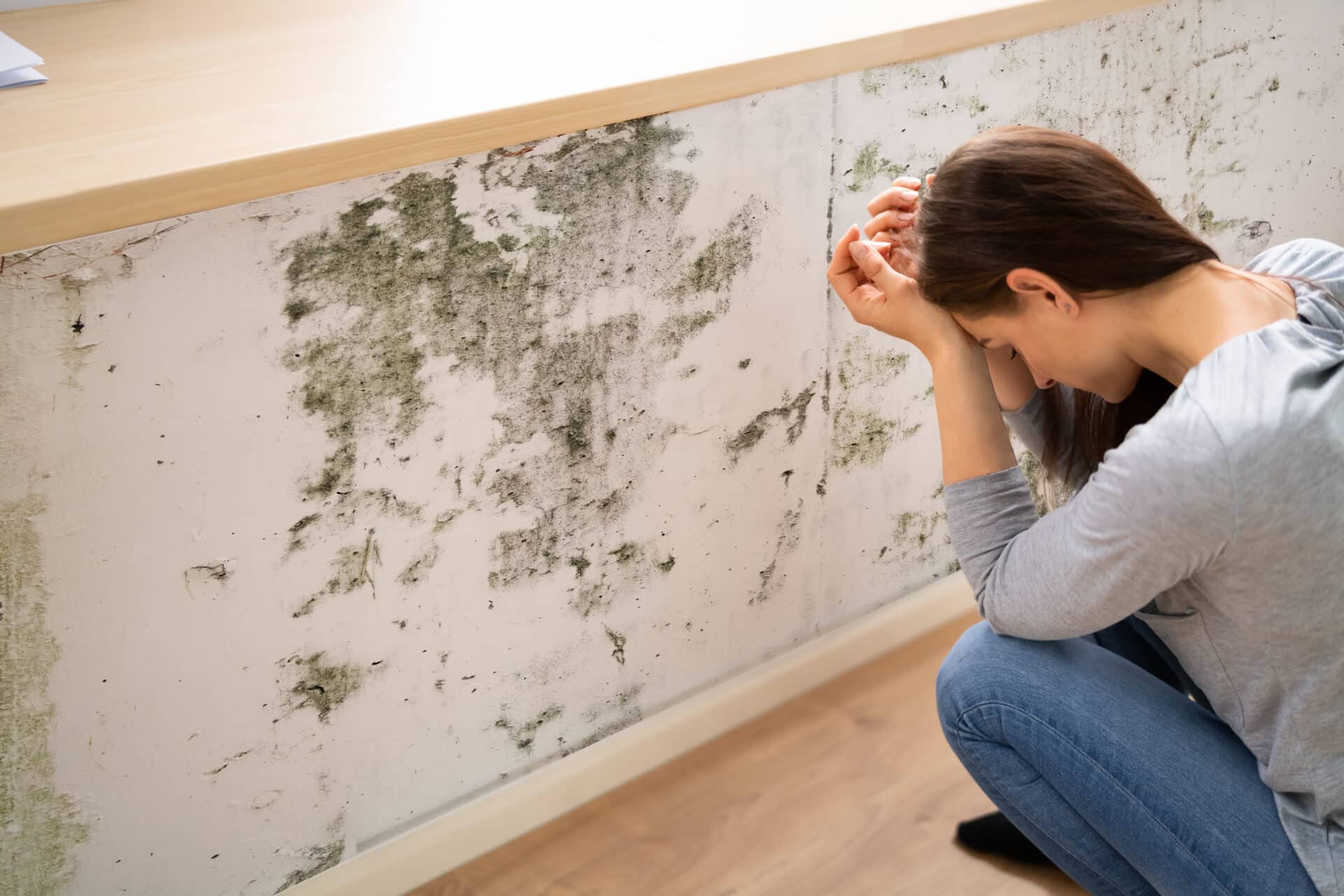
- Small, visible spots (<10 sq ft) from a one-off incident in a bathroom or around a window may be handled as a simple clean-and-dry task if no hidden moisture is suspected. Testing becomes useful if growth recurs, the area is larger, or the home is changing hands.
What the Best Mold Testing Company in Lexington Actually Does
Moisture-First Investigation
Mold follows moisture, always. A serious inspection starts with building science:
- Exterior drainage, downspouts, grading, and flashing
- Roof, attic, and penetrations (chimneys, vents)
- Bathrooms, laundry, and kitchens (supply lines, traps, exhaust)
- Basements and crawl spaces (vapor barriers, vents, sump performance)
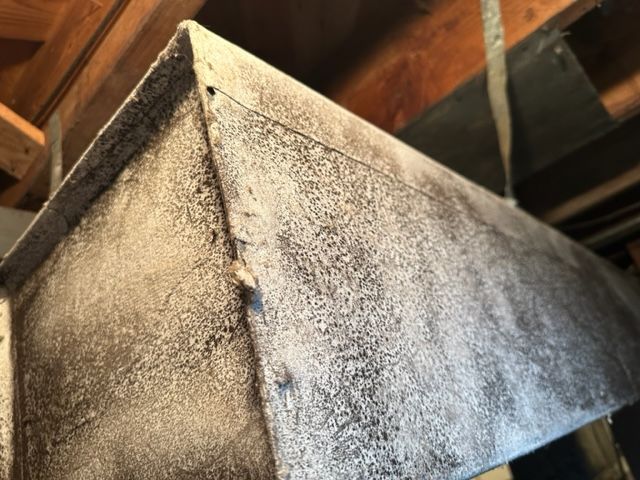
- HVAC (filters, coils, return plenums, condensation)
Technicians pair thermal imaging with pin/pinless moisture meters to track wet paths. Testing without this step is guesswork.
Strategic Sampling (Used Wisely, Not Excessively)
- Air Samples (Spore Traps / Air-O-Cell): Compare indoor areas to an outdoor control taken the same day. Results show total spore counts and species distribution.
- Surface Samples (Tape/Swab): Identify what’s on a material—useful when growth is visible or dust is suspect (e.g., HVAC returns).
- Wall-Cavity Air Samples: Targeted only when evidence (moisture/odor/building history) suggests hidden growth.
- ERMI/HERTSMI-2 (DNA-based): Reserved for complex medical histories or long, unresolved moisture events. Not needed for routine real-estate screening.
Accredited Labs & Chain of Custody
The best firms ship to AIHA or NVLAP-accredited labs and preserve chain of custody from site to bench. That paper trail is what makes results defensible with insurers, buyers, and attorneys.
Clear, Actionable Reporting
Your report should connect the dots: symptoms → building findings → lab data → interpretation → fix plan. It needs photos, moisture readings, floor plans/locations, and plain-English next steps aligned with IICRC S520/EPA guidance.
Red Flags to Avoid
“Free” Mold Tests
Sampling has real costs (time, pumps, cassettes, lab fees). “Free” often means a cursory look that funnels you into in-house remediation. Independent testing keeps recommendations unbiased.
One Sample, One Room
A single indoor sample can’t represent an entire home, and no outdoor control means you can’t compare to local ecology. Expect at least 1 outdoor + multiple indoor samples for a typical single-family residence.
No Moisture Diagnostics
If your inspector doesn’t meter walls, scan with thermal, or look at crawl/attic spaces, they’re measuring effects without finding causes.
Lab Sheets with No Interpretation
You’re not hiring a microscope; you’re hiring answers. A data dump without context leaves you vulnerable to misinterpretation and upselling.
Inside a Professional Mold Inspection (Start to Finish)
1) Intake & History
Leak events, odors, health complaints, prior repairs, humidity behavior, past roof issues—context shapes the search.
2) Visual Walkthrough
Exterior to interior: gutters/downspouts, grading, siding/brick interfaces, roofing penetrations, window/door flashings; then baths, laundry, kitchens, basements, crawl, and attic.
3) Moisture Mapping
Thermal imaging highlights suspect cool spots; meters confirm moisture content. Readings are logged by room with photos.
4) Sampling Plan
Outdoor baseline first, then indoor air by zone (e.g., main living, suspect room, basement/crawl). Surface samples where growth/material dust is present; cavity samples sparingly.
5) Lab Analysis & Turnaround
AIHA/NVLAP labs analyze samples; typical turnaround is 1–2 business days, faster on rush.
6) Findings & Remediation Plan
Results put into context with building conditions and occupant goals: containment boundaries, removal vs. cleaning, HVAC considerations, and PRV criteria (what “pass” means).
How to Read a Mold Lab Report (Without Going Cross-Eyed)
Indoor vs. Outdoor
Outdoor air is your reference ecosystem. Indoors should generally mirror outdoors in diversity (what types) and be lower in quantity (how many). If indoor totals are elevated significantly—or water-damage indicators (e.g., Stachybotrys, Chaetomium, Ulocladium) show up inside when they’re absent outside—suspect an indoor source.
Pay Attention to Patterns
- Aspergillus/Penicillium: Elevated indoors often points to damp drywall/HVAC dust.
- Cladosporium/Basidiospores: Common outside; indoor elevation may reflect infiltration or housekeeping/filtration issues.
- Stachybotrys & Chaetomium: Usually need chronic wetness; their presence indoors is a red flag for prolonged moisture.
Don’t Chase a Magic Number
Interpretation is relational (ratios, species, trend lines) and contextual (building moisture, history, season). That’s where seasoned inspectors earn their keep.
Right-Sized Remediation Guidance
Controls & Containment
Define work zones with negative pressure, HEPA filtration, and proper worker protection. Protect clean areas and set up safe egress.
Source Removal → Cleaning → Verification
- Remove contaminated porous materials as needed (e.g., wet carpet pad, moldy drywall).
- HEPA vacuum and damp-wipe remaining surfaces; address the moisture source.
- PRV sampling confirms success before rebuild.
HVAC Considerations
Return plenums, coils, or dust-laden ducts can redistribute spores. Guidance might include filtration upgrades (MERV 11–13 where equipment allows) or targeted cleaning.
Why ETC of Kentucky Is a Strong Choice for the Best Mold Testing Company in Lexington
Independent Testing—No Remediation Sales Pitch
ETC focuses on testing and consulting. That separation keeps recommendations objective and right-sized.
Building-Science Approach
We start with moisture and airflow, then layer in sampling. You’ll know the why, not just the what.
Defensible Documentation
AIHA/NVLAP lab partners, strict chain of custody, moisture maps, annotated photos, and reports that answer insurers, buyers, and facility managers.
Residential, Commercial, & Institutional
From single-family homes to multifamily, schools, medical, and offices—we scale protocols and tailor recommendations to occupancy and use.
Lexington-Specific Factors to Consider
Four Seasons, Many Moisture Modes
Spring storms, summer humidity, and winter condensation create different risk profiles. Basements and crawl spaces in Central Kentucky especially benefit from drainage, dehumidification, and vapor control.
Older Housing Stock & Additions
1930s–1970s homes and multi-addition houses can hide complex pathways: unvented soffits, mixed materials, and legacy penetrations. A methodical inspection matters.
Bluegrass Allergens ≠ Mold
High outdoor pollen and spore counts are normal here. That’s why same-day outdoor controls are essential for interpretation.
Cost & Timeline—What to Expect (Without the Mystery)
What Drives Price
- Home size & complexity (number of floors, crawl/attic access)
- Number of samples (outdoor + indoor zones + surfaces)
- Urgency (rush lab fees)
- Reporting depth (real-estate letter vs. full moisture-mapped report)
Typical Timeline
- Day 0: Site visit (60–120 minutes), sampling, photos, moisture mapping
- Day 1–2: Lab analysis
- Day 2–3: Report delivery with remediation plan (rush available)
Value vs. “Cheap”
Lowest bids often skip moisture mapping or outdoor controls—leading to bad guidance and inflated bids later. Pay for rigor once; fix it once.
Pre-Inspection Prep & After-Care
How to Prep
- Hold off on heavy cleaning or spraying “mold killers” right before sampling—they can skew results.
- Turn HVAC to normal settings; bring filters current but not brand-new same day.
- Make access easy: crawl doors, attic hatches, mechanical rooms, behind stored items.
After the Report
- Share the plan with your chosen remediator.
- Fix moisture first (roof, drainage, plumbing, ventilation).
- Schedule PRV before walls close to avoid do-overs.
Case Study—Turning a “Deal Breaker” into a Clear Plan
A Lexington buyer’s inspector flagged “suspected mold” in a finished basement. ETC of Kentucky completed a moisture-first inspection, found downspouts terminating at the foundation, and identified localized wall-base dampness. Air samples showed elevated Aspergillus/Penicillium in the TV nook; surfaces in adjacent rooms were normal. The report prescribed: extend downspouts 10 ft, remove 16 linear feet of baseboard and the bottom 12″ of drywall, dry to target, HEPA clean, and PRV. Result: a weekend fix, a passed PRV, and a closing that stayed on track—without tearing out the whole basement.
FAQs—Finding the Best Mold Testing Company in Lexington
How many samples should I expect?
Commonly 1 outdoor + 2–5 indoor air samples, plus surfaces where growth is visible. Larger or multi-story homes may require more.
How fast are results?
Standard lab turnaround is 1–2 business days; rush is available.
Do you coordinate with my contractor/insurer?
Yes. We share reports directly, answer technical questions, and outline PRV criteria to streamline approvals.
Do I always need testing if I can see mold?
Not for small, obvious spots with an obvious cause. Testing is valuable for hidden moisture, larger areas, real-estate documentation, or PRV.
Will the report tell my contractor what to do?
Yes—containment, removal vs. cleaning, HVAC considerations, moisture fixes, and PRV pass criteria are included.
Ready for answers you can act on today? Book your inspection with ETC of Kentucky for clear data, a practical remediation roadmap, and true peace of mind. Book your free consultation today!
